
Teams
Build a balanced Ragdoll Football squad: quarterback, receiver, ball carrier, defender and kicker roles explained for offense and defense.
Introduction
The Teams hub covers the roles and positions that make Ragdoll Football matches work. You control a single athlete in each match, but your role decides how you move, where you line up and what the team needs from you. The verified positions are quarterback, receiver, ball carrier, defender and kicker, and each one has a distinct job on the field. This page explains each role, how to play it, and how a balanced squad combines them for both offense and defense. Because matches are small at up to 14 athletes, every role matters and team chemistry can decide close games. We also show how the official group structures its community ranks, from Rookie up through Legend, so you can see how individual skill and progression fit into the wider team experience. If you are wondering what position to play first, this is the place to decide.
Positions And Squad Roles
| Position | Side | Key Role |
|---|---|---|
| Quarterback | Offense | Hike, read defense, throw |
| Receiver | Offense | Get open and catch passes |
| Ball Carrier | Offense | Protect ball, gain yards |
| Defender | Defense | Time tackles, stop plays |
| Kicker | Special | Deep kicks and scoring kicks |
Squad Role Cards
Quarterback
The quarterback is the field general who turns a snap into a scoring chance. Hiking the ball, reading the defense and using the hold-to-aim throw system to hit an open receiver are the core jobs, and a patient quarterback who waits for the route creates the cleanest big plays on offense.
Receiver
The receiver is the deep threat who changes how a defense plays. Running routes, getting open downfield and hauling in throws before taking a big hit are the core responsibilities, and a receiver with good positioning turns contested passes into highlight catches and scoring drives.
Ball Carrier
The ball carrier protects possession and grinds out yards. Using speed, dives and momentum to slip through gaps, fight for extra yardage and avoid turnovers is the core job, and a disciplined carrier keeps drives alive in a physics game where one wrong move can cost the drive.
Defender
The defender is the playmaker who stops offenses before they develop. Timing tackles, using closing speed to close lanes and reading the quarterback's eyes are the core skills, and a patient defender who triggers contact at the right moment turns big plays into momentum swings for the whole team.
Kicker
The kicker handles field position and scoring opportunities. Sending the ball deep for a touchback, reading the wind and putting kicks through the posts when a drive stalls are the core jobs, and a reliable kicking game gives your team an edge in tight matches.
Core Mechanics
Ragdoll Football team play starts with team composition. A balanced squad mixes a quarterback who can throw, receivers who stretch the defense, a ball carrier who protects the ball, defenders who deliver tackles and a kicker for field position. Each role uses the same base inputs but different timing and positioning. The quarterback hikes the ball and uses the hold-to-aim throw system to hit open receivers; receivers run routes and get open downfield; the ball carrier uses speed and dives to protect possession; defenders read the play and time tackles; the kicker handles kickoffs and scoring kicks. On defense, coordinated tackling beats solo heroics, because a well-timed group hit can stop a play before it develops. The same players swap sides as the game moves between offense and defense during the match, so mastering your role makes the whole team better.
Advantages
The biggest advantage of the Teams hub is clarity: instead of treating every player the same, this category shows the distinct jobs that make a squad work. New players can pick a role that fits their strengths, whether they enjoy throwing, catching, protecting the ball or stopping the carrier. The balanced-team mindset also reduces frustration, because players learn that touchdowns come from coordinated play rather than one hero running the whole field. Another strength is the link to the official group ranks, which gives players a long-term goal: as your individual skill and OVR climb, you can earn ranks from Rookie through Legend. This makes team play more rewarding for both casual and competitive players.
Challenges
The main challenge of team play in Ragdoll Football is coordination in a chaotic environment. With only up to 14 athletes and full physics collisions, a single player can slip into the open or a tackle can bounce oddly, so even a well-planned squad can concede unexpected plays. Public matches rarely have a fixed lineup, which makes role discipline harder to practice. Some position terms in the keywords, like tight end, safety or cornerback, come from classic football vocabulary and may not have an exact in-game counterpart yet, so guides focus on the verified roles first. We keep the Teams hub honest by marking community-confirmed details and updating when new roles appear.
Frequently Asked Questions
What is the best position for a beginner?+
How do I build a balanced squad?+
Do the official group ranks affect gameplay?+
Quick Tips
Learn one offensive role and one defensive role first. Playing both sides of the ball makes you a flexible squad member and teaches you how passes work from the thrower's and the receiver's perspective. Players who understand both sides read the field much faster in chaotic matches and make better decisions under pressure.
Defenders should play the ball carrier rather than chasing the ball, because in a physics game a well-timed contact tackle stops the play while a late chase usually results in the carrier diving into open space. Sprint into the lane, wait for the carrier to commit to a direction, then trigger your tackle at the right moment to produce the clean stops and big plays your squad relies on.
Defenders should play the ball carrier rather than chasing the ball. In a physics game, a well-timed contact tackle stops the play, but a late chase usually results in the carrier diving into space. Sprint into the lane, wait for the carrier to commit, then trigger your tackle at the right moment.
Featured
Ragdoll Football Best Position to Play for Solo & Squad Wins
Find the Ragdoll Football best position to play for solo runs and squad games, with team-building tips that make every role and friend combo click.
Ragdoll Football Player Roles: Offense, Defense & Routes
Break down Ragdoll Football player roles across offense and defense, from deep threat receiver routes to pocket passer reads and linebacker coverage.
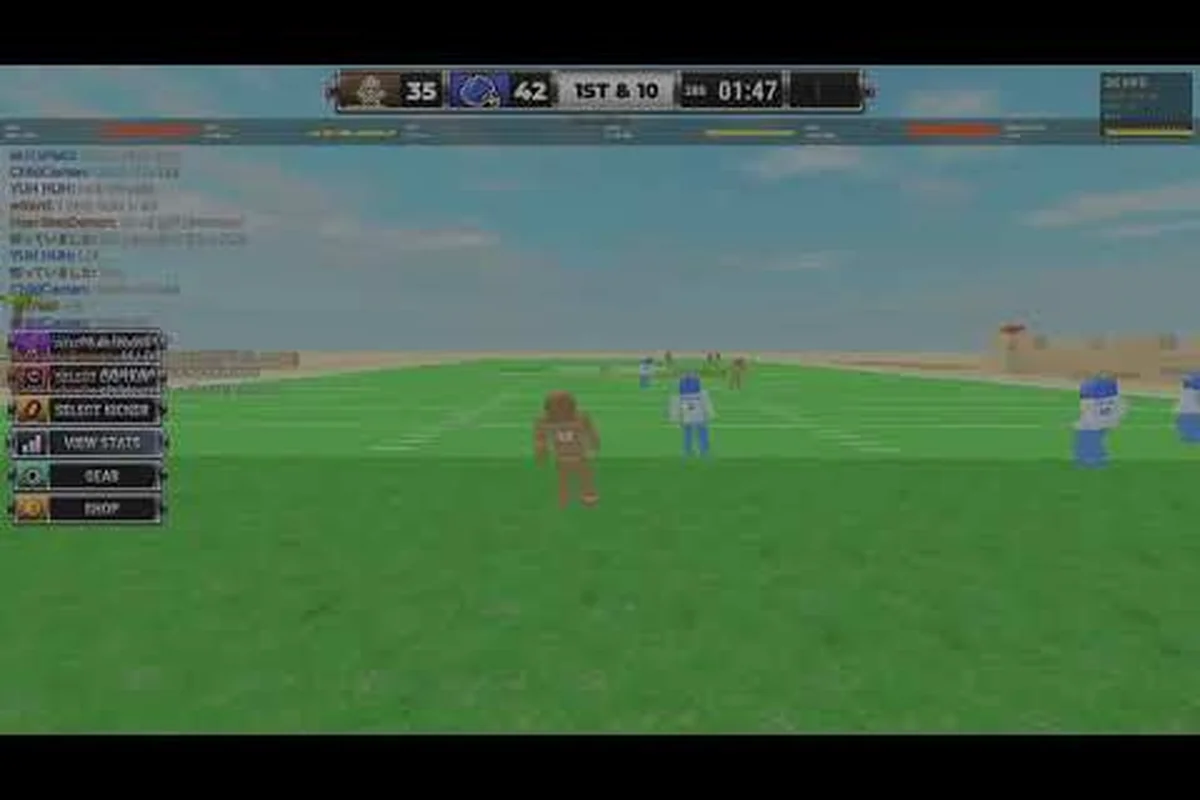
Ragdoll Football Position Tiers: Ranked Roles & Swap Guide
Rank every spot in Ragdoll Football position tiers, from best receiver to best defender, with a role-swap guide for upgrading your team on the fly.
All Articles
Ragdoll Football Teams: Quarterbacks, Receivers & Defenders
Explore Ragdoll Football teams and positions, from quarterbacks and receivers to defenders and kickers, with roles that shape every gridiron matchup.
Ragdoll Football Tight End: Block, Catch & Balance Teams
Use the Ragdoll Football tight end to boost pass defense, support the rush, and build a balanced team with stronger chemistry across every drive.
Ragdoll Football How to Play Quarterback: Reads & Throws
Learn how to play quarterback in Ragdoll Football with pre-snap reads, receiver timing, handoff calls, and squad-building tips for the best team setup.
Ragdoll Football QB Skills: Throw, Scramble & Read Defenses
Master Ragdoll Football QB skills with scrambling tips, safety and cornerback reads, and linebacker checks that turn every snap into a scoring drive.