
Gameplay
How Ragdoll Football plays: real-time physics tackles, aiming throws, dives, kicks and small-squad matches built for chaotic highlight plays.
Introduction
The Gameplay hub explains how Ragdoll Football actually plays once you get on the field. This is a physics-first American football game where every tackle, dive and throw reacts in real time instead of playing a scripted animation. Matches run on small servers capped at 14 athletes, which keeps the action fast, physical and chaotic. Here you will find how tackling works, how the hold-to-aim throwing system shapes passing plays, how dives and touchbacks keep the game safe and strategic, and how kicking creates scoring opportunities. The category also covers the big-play system that feeds XP and drives the 60-99 OVR climb, so understanding what counts as a big play is just as important as understanding the button inputs. Whether you play offense or defense, this page gives you the mechanics behind every snap.
Gameplay Systems Quick Reference
| System | How It Works | Key Input |
|---|---|---|
| Physics Tackles | Body contact resolves in real time | Attack button / RT |
| Aim Throws | Hold to charge, release to launch | Hold attack, release |
| Dives | Stretch for catches and saves | Dive button / X |
| Kicking | Deep kicks and scoring kicks | Attack button with ball |
| Take a Knee | Safe touchback command | Knee button / V |
Core Gameplay Systems
Tackling & Collisions
Tackling in Ragdoll Football is a physics event, not a scripted move. When your body contacts the carrier with enough speed and at the right angle, the collision resolves naturally: the carrier can be flattened, dragged or spun free. Reading the carrier's path and sprinting into the contact zone is the core skill.
The Hold-to-Aim Throw
The hold-to-aim throw system makes passing a live skill. You press and hold the attack button to charge, aim at a receiver while you scan the field, then release to launch a physics-based pass that can be caught cleanly, tipped by a defender or dropped at the last second.
Dives And Touchbacks
Dives and touchbacks are the safe and flashy sides of the same coin. Diving lets you stretch for catches and saves that standing players would miss, while taking a knee produces a touchback that protects your field position in risky situations. Knowing when to press each keeps you in control.
Kicking And Scoring
Kicking is handled by the same action button that tackles and hikes, which keeps the input simple while adding strategic depth. A deep kick pins the opponent back for field position, while a shorter kick can put points on the board when a drive stalls near the end zone.
Field Position And Strategy
Field position and strategy decide which risks are worth taking. When you are backed up, a safe touchback or a short field play beats forcing a throw into traffic. When you are close, pressing for the score with an aimed pass or a diving run creates the big plays that swing momentum.
Core Mechanics
Ragdoll Football gameplay revolves around live physics. There are no canned animations, so when two bodies hit, the collision resolves naturally: a ball carrier can be flattened, dragged or spun free depending on angle, speed and timing. Tackles happen when a defender's body contacts the carrier with enough force, so sprinting into the opponent at the right moment is the core defensive skill. On offense, the hold-to-aim throw system lets quarterbacks charge a pass, aim at a receiver and release for a live-physics throw that can be caught, tipped or dropped. Dives let players stretch for catches and saves, while taking a knee produces a safe touchback. Kicking is handled by the same action button, sending the ball deep for field position or through the posts for points. Every mechanic combines into the big-play system: big plays on either side of the ball grant XP toward the OVR climb.
Advantages
The biggest advantage of Ragdoll Football gameplay is that physics makes every play feel fresh and skill-based. A well-timed tackle, a perfectly aimed throw or a diving save can swing a match, and the same inputs reward players who understand timing and positioning instead of those who just smash buttons. The small squad size keeps matches personal, so individual reads and defensive stops matter more than in large team games. The big-play XP system also gives purpose to highlight moments: players who chase tackles, throws and scores see their OVR climb, which unlocks higher ranks in the official group. For fans of sports games, this physics-first model creates memorable, chaotic plays that are fun to watch and to pull off.
Challenges
The main challenge of physics-based gameplay is unpredictability. Because there are no canned animations, outcomes depend on many variables, and even a well-timed tackle can bounce strangely or a throw can be tipped at the last moment. This can frustrate players who expect deterministic results, especially in close matches. The small squad size also means a single bad mistake is more visible, and defensive discipline matters more than raw numbers. Finally, the game is new and balance changes come quickly, so the effective ways to play may shift after each update. We track gameplay mechanics and patch notes in the updates category so players can adapt as the physics and balance evolve.
Frequently Asked Questions
What counts as a big play in Ragdoll Football?+
How big are the matches?+
Why does the ball bounce so unpredictably?+
Quick Tips
Play defense first to learn the physics engine. Sprint toward the ball carrier and trigger the tackle action when you are close; the collision will teach you how speed and angle affect the hit. A few sessions of defensive reps make offensive reads like throwing lanes much easier to understand because you know how defenders move.
Use the dive button to keep plays alive on both sides of the ball. On offense, a diving catch can win a deep ball; on defense, a diving stop can save a touchdown. Because the physics engine rewards timing, wait until the ball is close before pressing dive, then watch your athlete stretch for the play.
Know when to play safe: take a knee for a touchback instead of risking a turnover on every down. Field position matters in Ragdoll Football, so a safe touchback can be smarter than forcing a desperate play. Mixing aggressive big-play attempts with safe decisions makes you a more complete player.
Featured
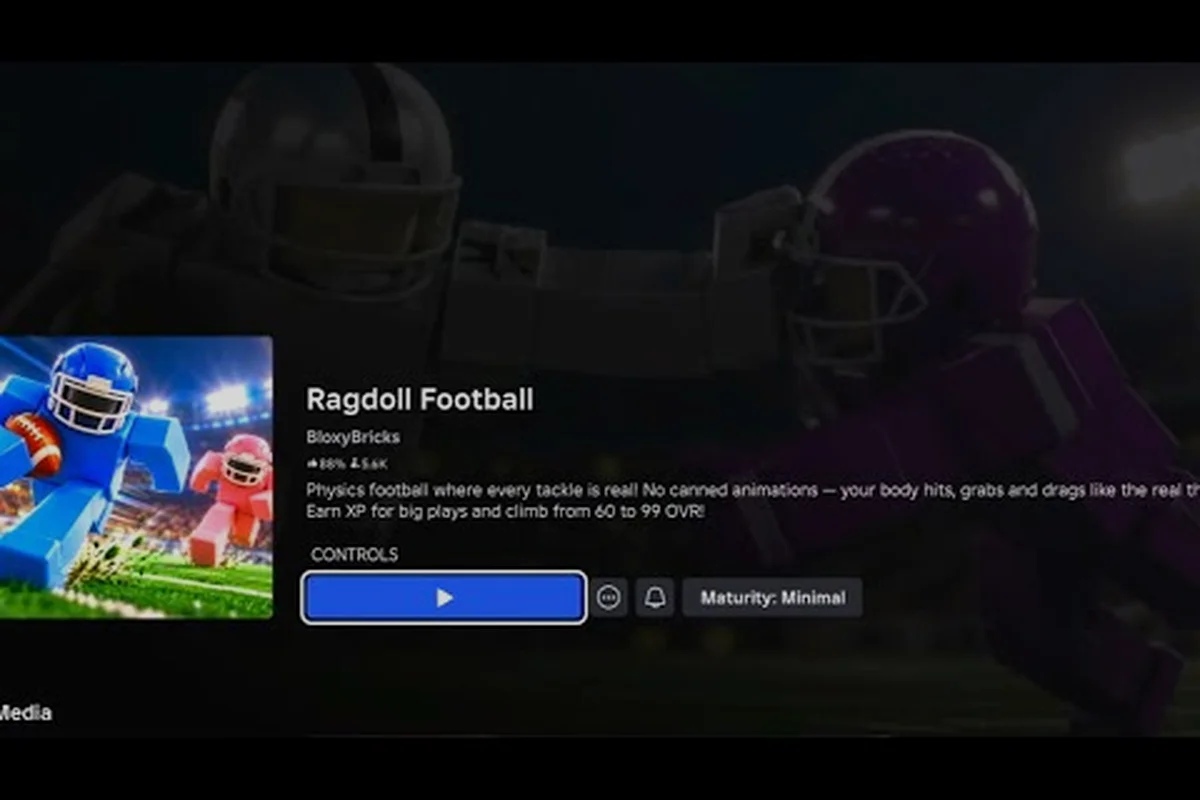
Ragdoll Football Defense: Tackle, Cover & Force Turnovers
Lock down Ragdoll Football defense with 7v7 tackling reads, momentum hits, touchback positioning, and possession-winning coverage on every play.

Ragdoll Football Hand Off: Big Plays, Game Modes & Physics
Run the Ragdoll Football hand off with smarter big plays, match sizes, and physics-driven movement across every game mode.
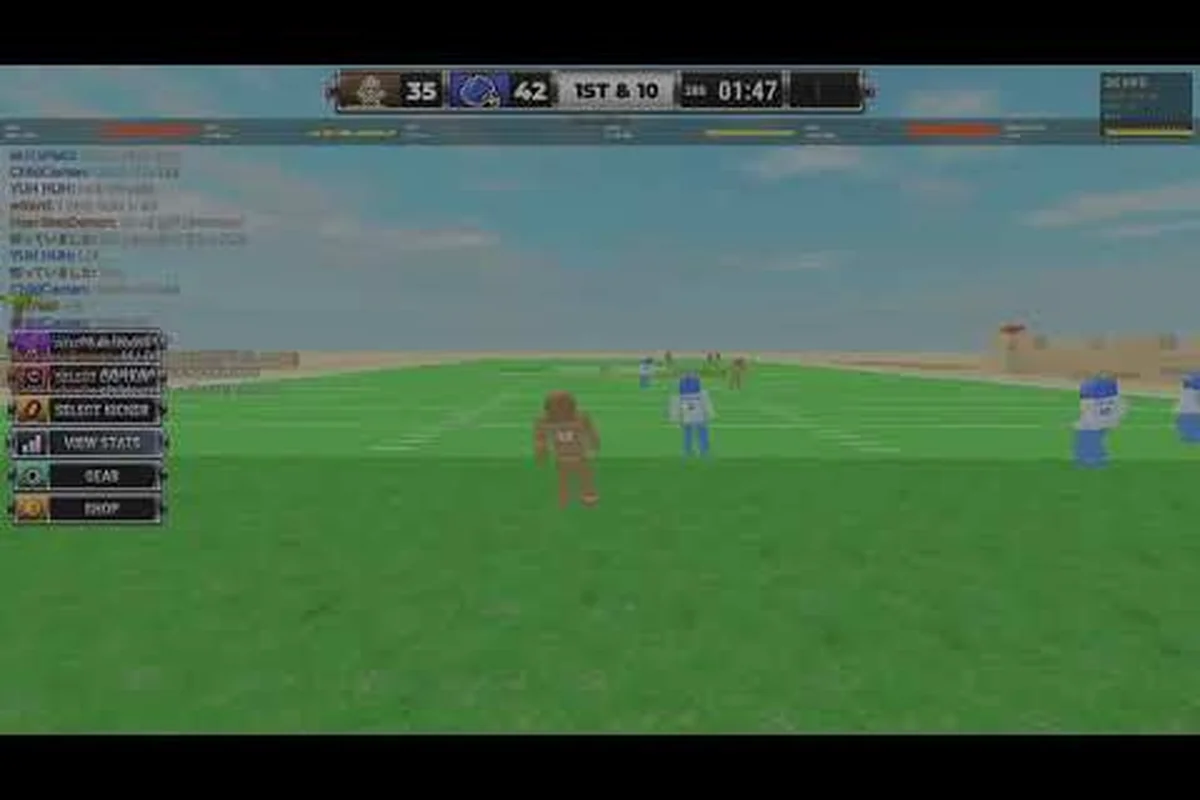
Ragdoll Football Real Time Tackles: Run, Defend & Score
Win the field in Ragdoll Football real time tackles by reading the ball carrier, locking down defense, and scoring on every drive.
All Articles
Ragdoll Football How Tackling Works: Hit Timing & Dive Mechanics
Break down Ragdoll Football how tackling works, from hit timing windows and dive physics to launching, throwing, and kick plays.
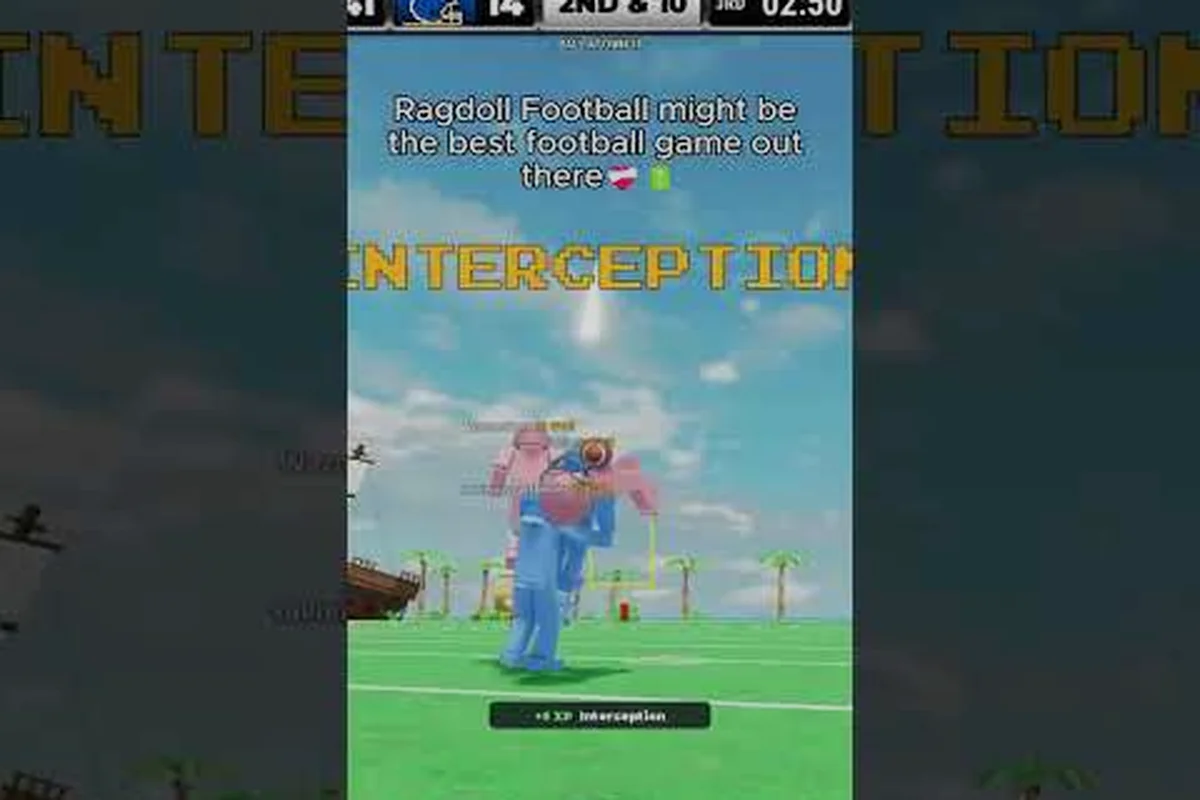
Ragdoll Football Servers Explained: Matchmaking, Physics & Joins
Understand Ragdoll Football servers explained in full, from joining matches and lobby setup to how the physics engine shapes every tackle and snap.
Ragdoll Football How to Win Games: Scoring, Downs & Overtime
Win more Ragdoll Football games by mastering first downs, end zone routes, overtime rules, and match-length strategy that decides close drives.
Ragdoll Football Throwing: Pass, Kick & Touchdown Basics
Master Ragdoll Football throwing with passing arcs, kicking angles, and snap-to-touchdown mechanics that drive every offensive scoring drive.